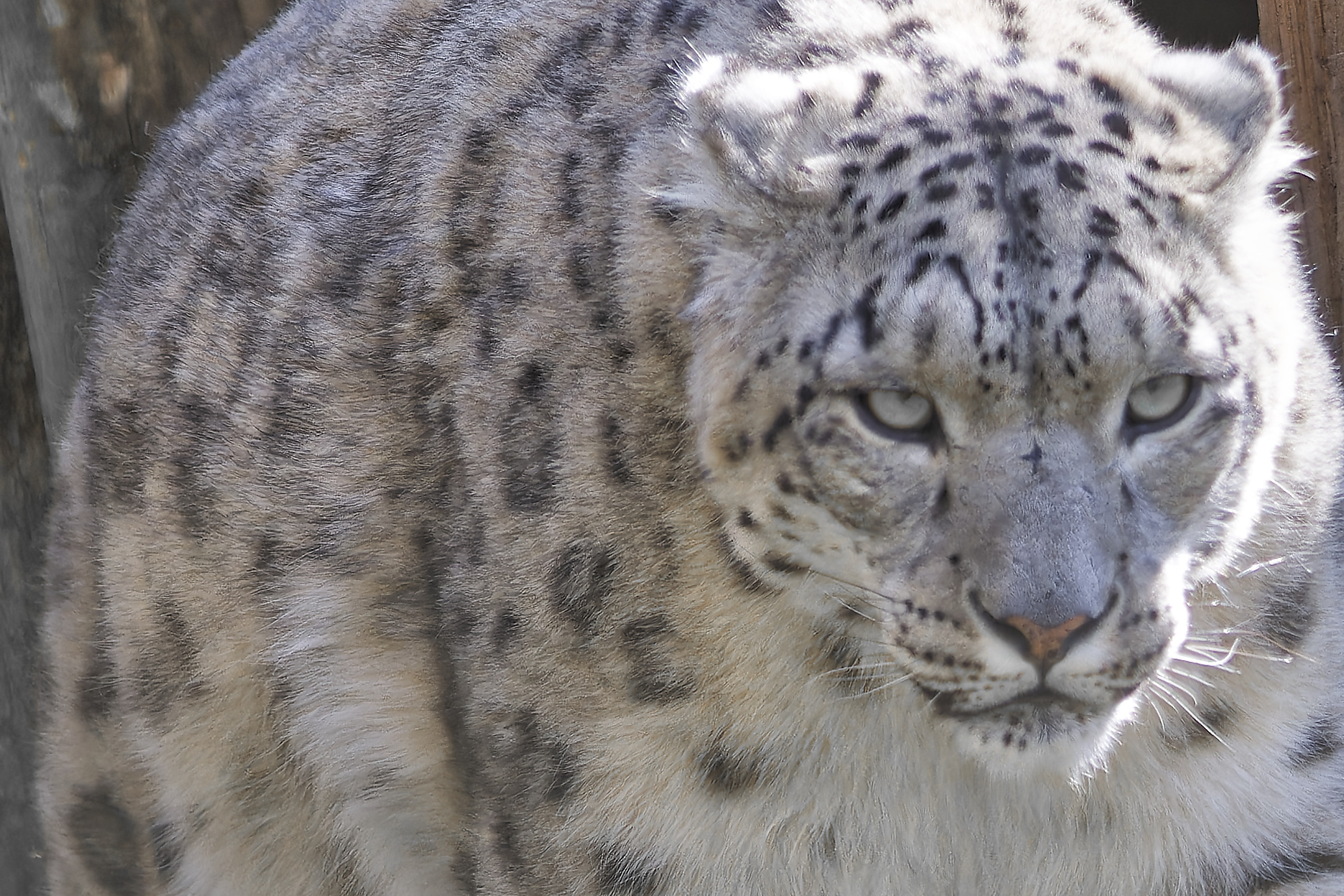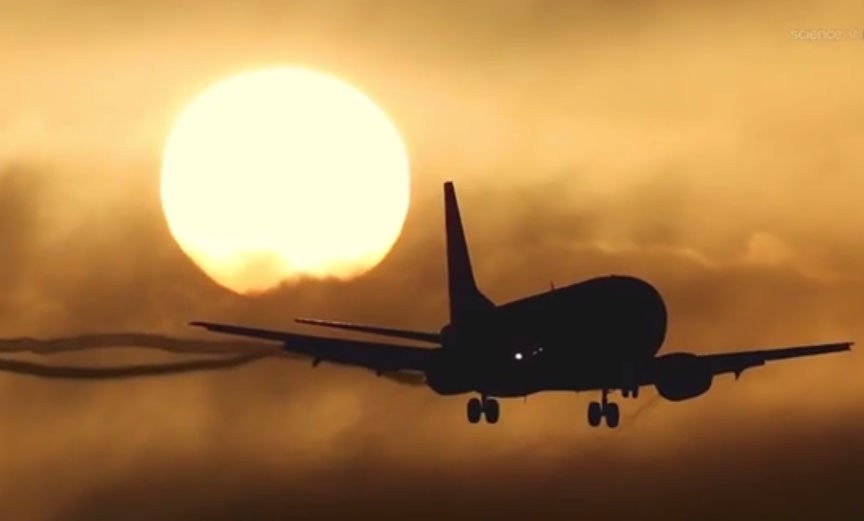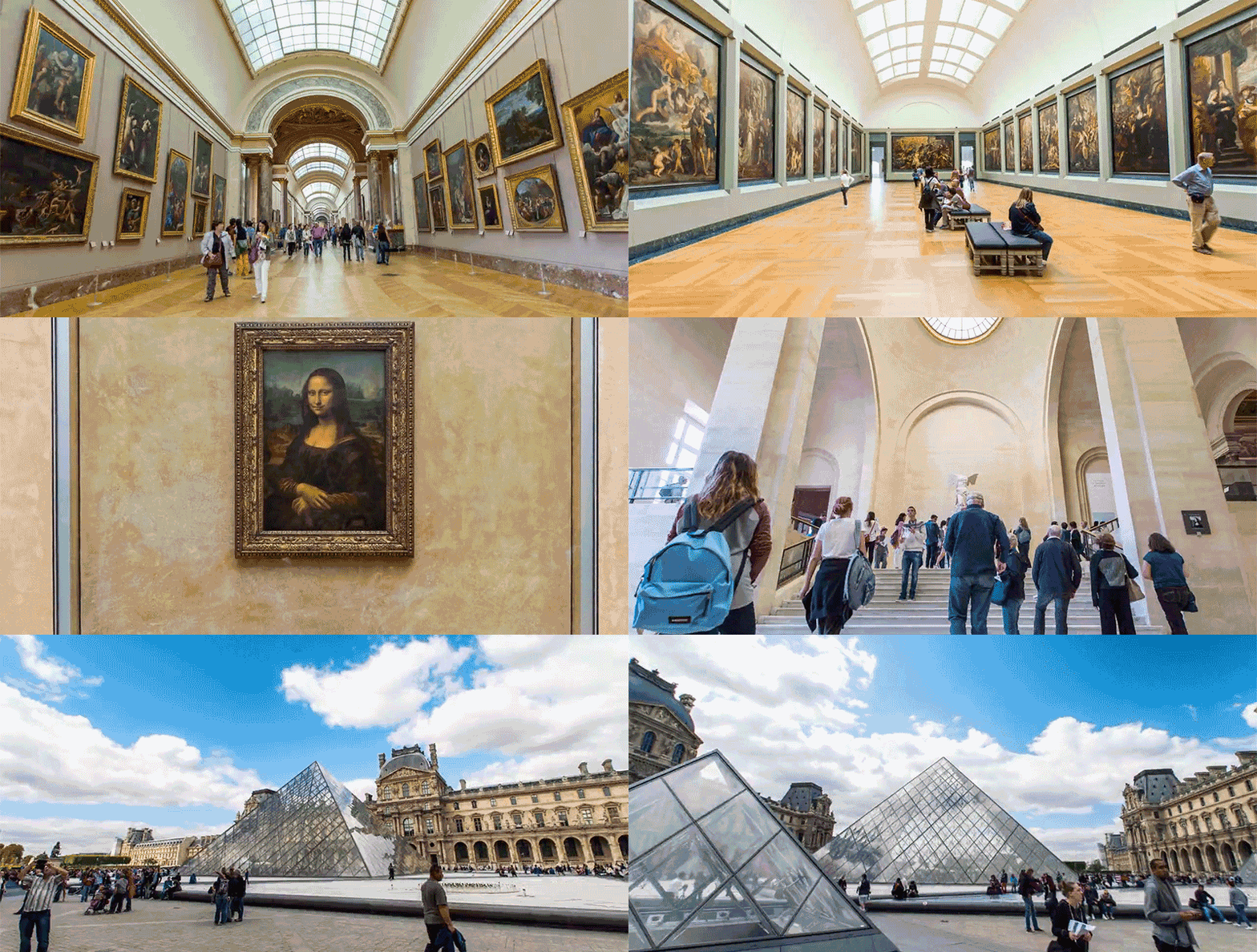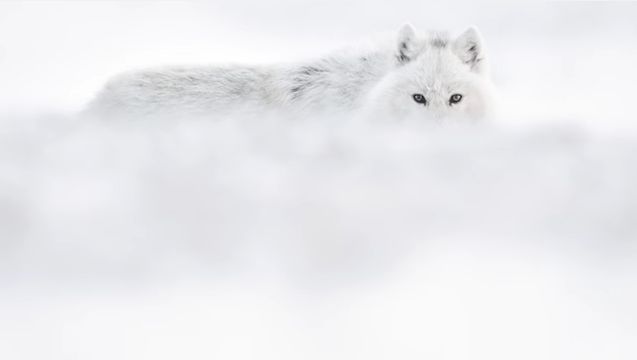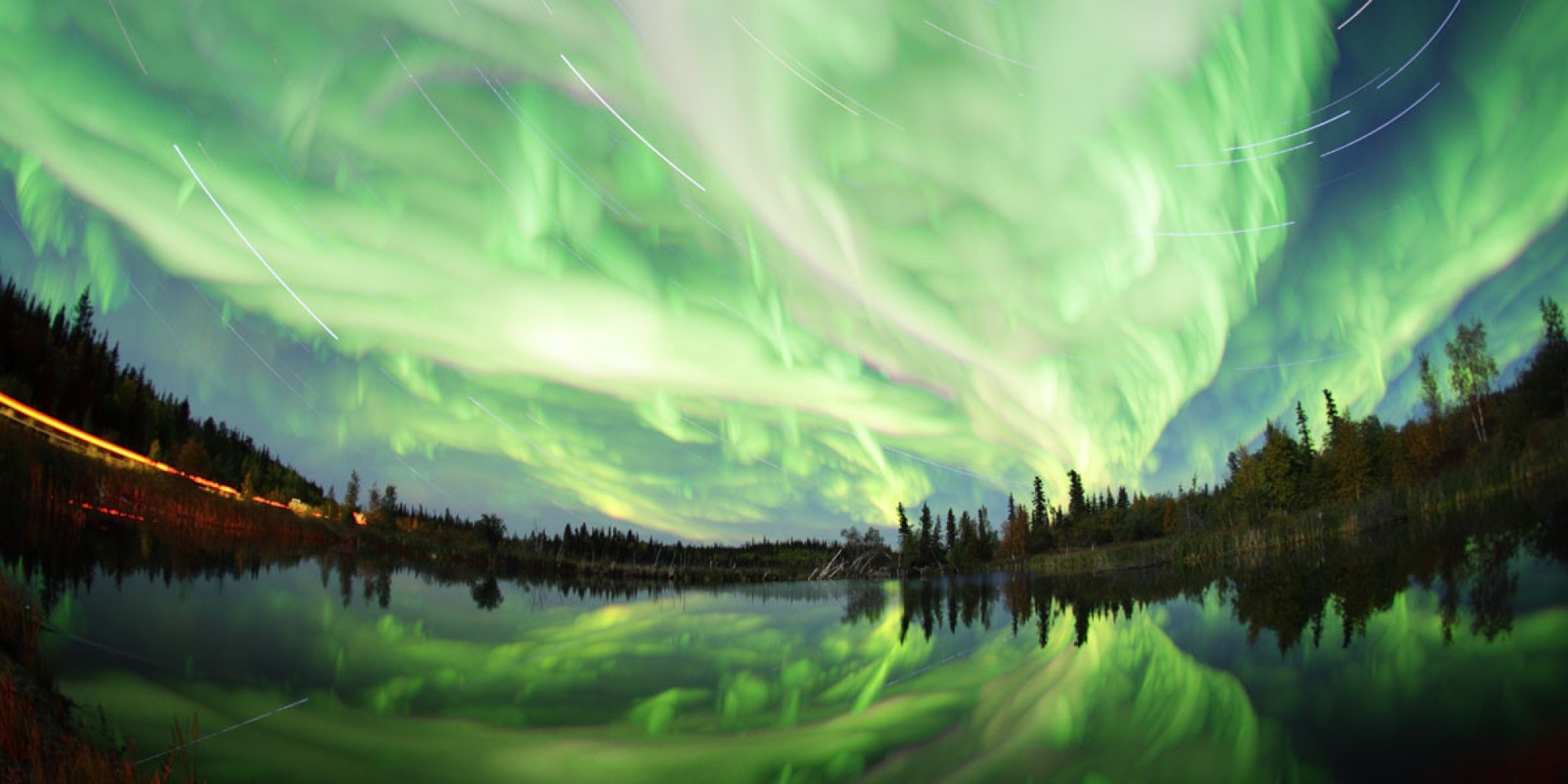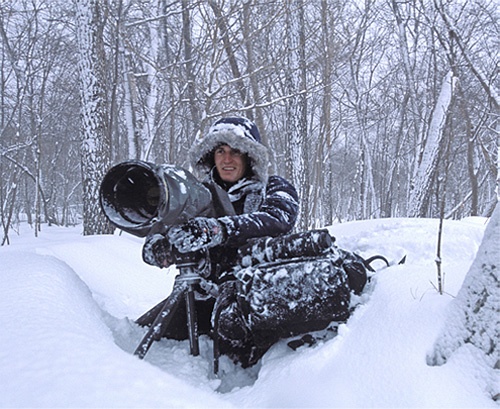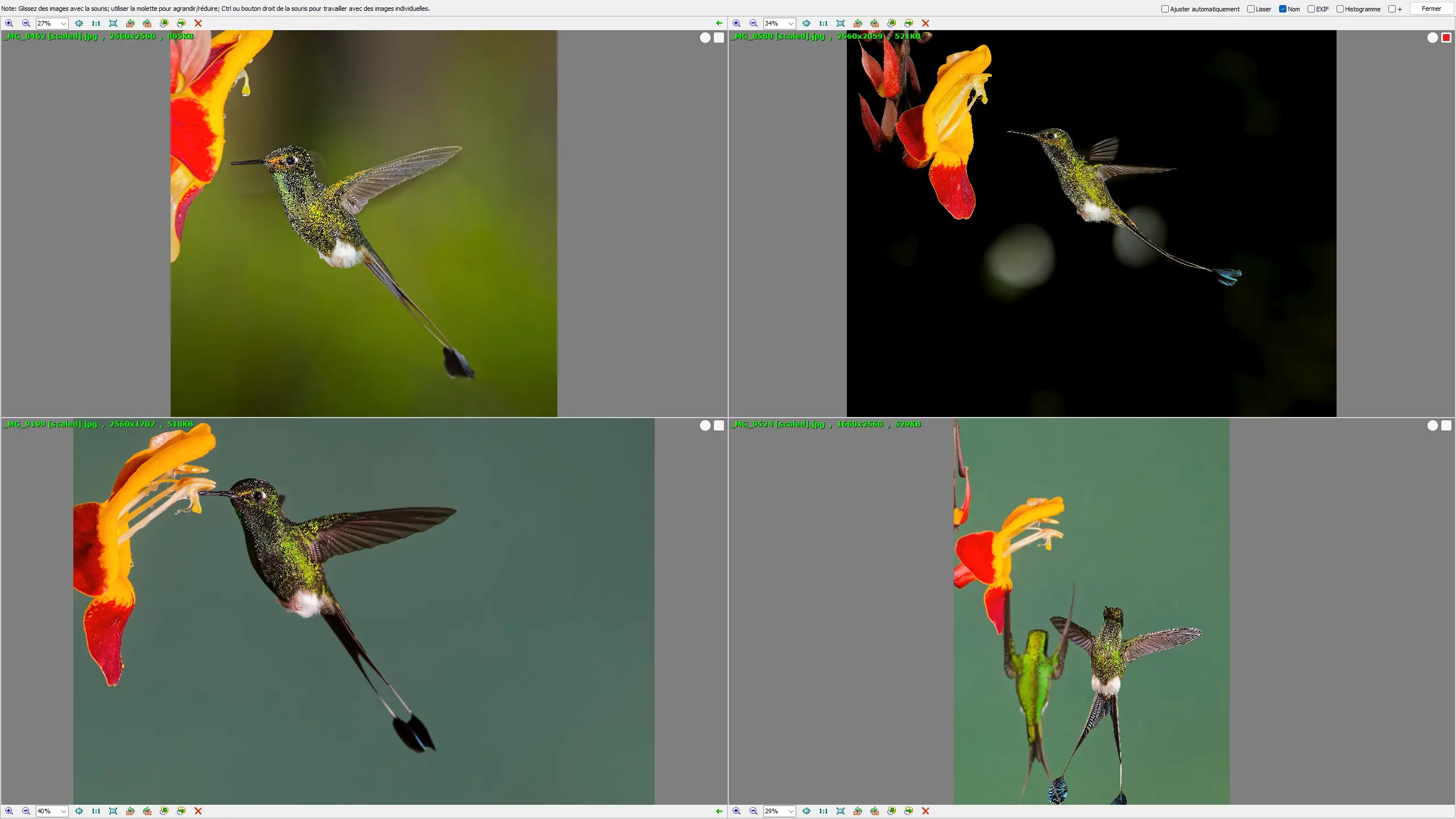
You could do much worse than learning from the best wildlife photographers. Actually, the BBC Wildlife Magazine is now providing an impressive list of compact training courses for wildlife photography. There are titles like:
Wild Places
Mammal Portraits
Plant Portraits
From Dusk to Dawn
Underwater Photography
Invertebrate Portraits
Birds in Flight
Animals in their Environment
Bird Portraits
Reptiles and Amphibians
Creative Visions of Nature
Wet Weather Wildlife
Cold Weather Wildlife
Black and White Photography
Urban and Garden Wildlife
Zoo Photography
Bird Behaviour
Mammal Behaviour
Extreme Close-Up
Innovative Wildlife Photography
The World in our Hands
Those are complete courses that have been published previously on paper in 2006 and on. If you did not get them at the time, you can now grab the PDF files. You will appreciate the progression from mostly animal portraits to more sophisticated or more subtle kinds of pictures. All of them are great.
During a group travel, it is very common to consider that the experience can be considered as a reliability test for photographic hardware. This was really the case during my photo safari trip to Botswana in April-May 2010.
The participants were spread on a large spectrum from a pro photographer (Laurent Baheux) equipped with a Nikon D3, some determined amateurs bringing a Canon EOS 5D, a Canon EOS 1D Mk3, a Canon EOS 550D, a Canon EOS 50D, a Konica-Minolta Dynax 7D and a Sony Alpha 700 (so, without any representation for Nikon) and an amateur equipped with a Sony bridge. Furthermore, there was also a Canon G11 high-end point-and-shoot, also often used, but more during the stops at the camp than in the main safari activities.
Chobe, Botswana
The teachings in terms of reliability and usability are always difficult to draw from observations (all the more when there are so few elements for comparison), but they still can be useful. Just look at the list of the relevant “observations”:
From the very first mist in front of the Victoria Falls, the Canon 550D chose to stop down (the analysis proved that it was only a small water infiltration between the camera and its lens – later easily corrected by wiping and drying it). It is true that mist quickly transformed itself into a heavy tropical rain and the photographers did not push it too far. But all the other cameras seem to have accepted much more humidity than whatever was initially specified.
The use of big tele-lenses is a very heavy mechanical stress for the interface between the camera body and the lens. This was proven again by the need to tighten the screws of the lens plate of a Nikon D3 and the base mount of a Minolta 300mm/4 (used on the Sony and Minolta bodies). Not really dramatic, these incidents remind us that you should be prepared for small maintenance operations during a difficult and stressful experience like an intense photo safari (5000 to 15000 shutter activations per photographer).
The environment is harsh in a country where dust is everywhere as it was the case here in Botswana. Not counting the obviously predictable appearance of stains on SLR sensors after swapping lenses or during the mechanical moves of internal lens parts (Photoshop will be called into action to “clean up” the pictures), we could observe an extreme case of total failure: A 100-400mm/5,6 zoom from Canon grinded to a stop in 200mm position probably because of sand or a big lump of dust. This will be back to the repair services of Canon, but with the risk of a cost higher than the residual value of this relatively old zoom lens (the owner seems now convinced that it should be replaced with a 500mm prime, but this is another story altogether).
Unexplained incident in my own photo bag: A Minolta battery appeared to short-circuit (unusable and impossible to charge) and demonstrated again the criticity of having some replacement parts at hand (at least for the small inexpensive parts whose lack could lead the trip to a complete failure). Being equipped with three batteries (unfortunately one of them is already really old and sick) allowed some relief to keep using the Minolta D7D as a second camera body. If I had had only two battery packs it would have become a very unpleasant situation, as I should admit.
You can easily notice in this list that more or less every brand of photographic hardware had to suffer some deterioration. Having only pro equipment did not avoid L.Baheux to do some minor repair work on the field, but it’s true that a pro photographer is often less cautious when using its cameras and lenses (he/she will rely more heavily on its high tolerance for rough handling).
My photos from Botswana are being published all during June 2010 on www.roumazeilles.net and some of them are also sold as cards, posters or large-size prints on my photo gallery and RedBubble (from $3.90).
What is less visible in this list is that some equipment, short of a full failure, had some unpleasant weaknesses. At this very high usage load, batteries have suffered a lot of strain. The high-capacity battery packs of the Nikon D3 or the Canon 1D MkIII find here a major advantage. But the batteries of the Sony Alpha 700 required a large number of recharges (it is difficult if not impossible to spend a 1000-shot half-day with only a single battery). Charging becomes a strict necessity, even before the end of the day; The use of an additional battery grip could be an excellent idea too. And when we reach a camp site without any autonomous electricity source (generators are often not allowed inside the National Parks limits), it becomes critical to have a DC/AC converter to connect to the 12V plug of the car/truck. But remember that in this case, the plug and the converter become a common point of rupture for all the photo passengers and it may be handy to have a redundant connection (e.g. “crocodile clips”) when a 12V plug fails (I had this experience a few years ago in Kenya) and a spare converter(we found this need in Botswana). Paranoia is useful. I often force myself into relying on nothing more than a 12V-only power source (with the adequate chargers and plugs) to avoid relying too much on the presence of a heavy, bulky, and inefficient converter).
The most strained batteries have certainly been the Sony bridge camera ones. Its owner had the good idea to bring four of them to be able to exchange them often and charge them nearly continuously during the long trips (we had days of 6 to 10 hours of driving either in safari or in transit).
Conclusion
There seems to be no obvious reliability issue with the camera equipment observed here (what happened seemed quite easy to explain from the age of the involved devices and it could well be the mere consequence of low statistical representativity). However, it should be a lesson for all photo travelers: Be sure to plan for all kinds of failures from your hardware and from the hardware you will be relying upon.
This is the surprising advice given by Bruce Schneier about how you could protect your photo luggage when traveling: Pack a starter gun in your luggage. This is definitely considered as a weapon by the TSA and other flight authorities (but it is not dangerous and you don’t need a license to have this “toy gun” normally used to start an athletic race), it has to be formally declared and then it receives extra care from the airline and the law enforcement authorities.
However simple and clean, I never tried such an approach to be sure that photo bags (sturdy ones for sure) can travel correctly by plane.
Last minute thought: Of course, this is to protect checked-in luggage. No airline will ever accept a weapon in the cabin…
It works quite simply: You take several pictures of the same location or the same monument. There is always one or more ugly tourists on the photo, but they are never in the same place. The software will identify the partly masked parts and fill them with data coming from images where they were not hidden by a tourist.
If you have enough pictures, if you work with a tripod (to ensure a good correspondence from image to image), it will “wipe” tourists out of the photo. It also works on passing cars or any other annoying mobile object that is tarnishing some of our photos. Technology at the service of solving a real problem.
For the last few years, I have been strongly recommending the Sanho disk-based photo viewers and portable memory, to empty your Flash cards into a big portable disk drive. Visibly, they have a very powerful technology which leads to features like:
Extremely fast copying from card to hard disk drive
Superb autonomy
Compatibility with many card formats
Now, Sanho is launching a new product (or product series), the HyperDrive Album, and it boasts pretty nice and precise cons:
2GB per minute downloading, with full data verification
640GB configuration for $599.00 (or 160GB for $349.00 and any other intermediates)
4.8-inch display (800 x 480 resolution)
200GB of transfers between battery charges
Compatibility with the new SDXC card format (and all other common ones)
The Seneca Army Depot (in Seneca County, New York State) has been held by the US Army from the Second World War to the Gulf War. One of the great impacts of a US Army closed location is that wild animals are mostly out of reach and live quietly with minimal interaction with humans. In this case, the phenomenon was completed with the fact that some of the deers in the Conservation Area have an albino gene which makes their hair completely white.
While this is not unheard of, this is a clear disadvantage in terms of protection against most predators (starting with Man). But the situation led to the development of what is thought to be the world’s largest herd of white deers.
Pictures by Kevin Colton
It would be fun to have a photo trip there. But I understand that this is not possible for now.
You just dropped your photo camera or a lens in water; What can you do now if it was not weather-sealed or water-tight?
The first thing to do is to remove all electrical power source. Electricity does ugly things to metal and electronics. So, start by removing the batteries right now. You may be able to dry them separately, but you’d better be ready to buy new ones (the heavy humidity may damage them too much even if they survive).
Next, you need to dry the camera. As soon as possible. First, use sponge, them some absorbing paper (possibly toilet paper, you will find it nearly everywhere in the world). Try to shake the camera a little, but not too much (you don’t want to drop your camera in the water again!)
After that, a little heat will help. Water will evaporate more easily with warm temperature in a dry air. Avoid at all costs to leave the photo camera on whatever heating system you may find. But a few hours in a warm room will help…
But this will probably not be enough. The finishing touch will be to dip your camera into a bag of rice. This is about the same tip as the one used for the salt in your kitchen or on your table: a little white rice will capture the humidity from the salt crystals and leave it dry. Put your camera in an uncooked rice bag for a week; This may not be very elegant, but it will be do the job for a very little cost.
Only then will you try to insert a battery again. You are never sure that it will work, but all these steps will have tremendously improved the odds.
It seems that I was not the only one to be worried about traveling as a photographer. I found this interesting article from Photofocus (Traveling? Better Get a UPS Account).
Things keep changing but I noticed three interesting advices or comments:
If you are flying from outside the USA to the US, don’t count on getting any carry-ons onto the plane. I was insisting on limiting the weight of your cabin luggage, but Scott goes further…
Flying domestically in the USA is no guarantee that your carry on will be allowed.
Get a UPS Account. It’s frightening, but it may become the only way to transport photo gear (checked luggage is too easily/often stolen and too harshly handled -even compared to UPS, DHL, Fedex, etc.) and having an account is great for getting better service. And they don’t even charge you for opening an account.
It seems that being a photographer was a pain in the neck in some cities where you were considered as a potential terrorist just for shooting pictures.
Now, the problem will disappear if traveling with your camera gear becomes near to impossible.
Now, you all know that a recent Amsterdam-Detroit flight was very near to being blown out of the sky by a Nigerian named Umar Farouk Abdulmutallab. This individual apparently tried to blow some penthrite by washing it in some acid. There were many reactions to this event, but overall -as could be expected- security measures are already being blown up and some of these may have dire consequences for passengers traveling on a photo trip. The most easily ascertained (and some of them are already confirmed) are:
Canon-man at Landvetter Airport - by Mescon
More than ever, the use of an electronic device is prohibited during the take-off and landing phases of the flight. This implies clearly that photos are prohibited (the camera is an electronic device).
Weight rules for cabin luggage are enforced with even more rigidity that before. Previous packing advice is still applicable, but flexibility nearly disappeared in most airlines. Make sure that you travel light or delay your flight to a later quieter date.
During the last hour of flight, nothing is allowed on your knees, not even a blanket or a book. Don’t even think of spending the last part of the flight with a photo magazine of an Art Wolfe book.
Many products and materials are still prohibited in planes. Be attentive and don’t bring air blowers and liquids (sensor cleaning solvents and similar are better in the checked-in luggage in small quantities).
The flight crew is generally informed to disable the electronic and network equipments like telephones and WiFi (that we started to see appearing as an option of some international flights). So, do not hope to spend too much time transmitting pictures from the plane; It will be nearly impossible in less-than-90-min flights and somewhat inconvenient on many others. [1]
On the contrary, identity checks should be re-inforced but with no significant impact on photo travels (if you have an acceptable legal status, of course).
Those -like me- who were relying on the relative calm of the recent months to see the generalization of reasonable measures like those taken by Australia which seemed ready to somewhat relax the rules applicable to the presence of some potentially cutting objects in cabin luggage. But it seems that the opposite is taking place and that it will be more and more difficult to travel. When are we going to see Ryan Air 2006 advertisement prediction of traveling stark naked?
The leopard seal is really a big predator (check its size on the photos) and it’s perfectly adapted to its environment (much more than a man in a diving suit). But this one, not only let National Geographic photographer Paul Nicklen shoot great pictures, but tried to help him by feeding him live penguins.
When you are in a plane of a light plane flying near a mountain range, it is quite tempting to shoot a few landscape photos; But the conditions will stay very difficult for the photographer. There are many traps and the results may loose a lot of quality compared to what you expected.
For example, problems could be:
The presence of visible obstacles
The atmospheric turbulence
The atmospheric veil
The vibrations of the plane
The optical limitations of the cabin window
First, you must be seated near a window (and on the right side) and you must avoid the presence of the wing and/or an engine which could reduce the view. Choose your seat wisely at check-in time or politely negotiate with the passenger better seated.
The engines of the plane produce a lot of air turbulence that is very perceptible just behind them. Seat sufficiently in front (unfortunately, the more expensive seat are often in the front of the plane).
Air moisture and dust are less problematic at high altitude than at ground level, but you will probably shoot your landscapes from very far. Only when the sky is very clear can you try a flight. Then you would limit the atmospheric veil to its minimum. It’s even better to fly early in the morning (the light is nicer and the air moisture is still mostly on the ground). Chance must fly with you (or you will have to compensate with perseverance).
Melungtse - with a polarizing filtrer and some Photoshop correction
Melungtse - without a polarizing filter, but shaded by the window
Then, a plane shakes a lot. Even more when it’s a small plane. Not as much as a helicopter, but it is definitely not stable! So, choose a fast shutter speed. Worse: Those vibration frequencies are not well compensated by the image stabilizer of your camera or lens; They are targeting the smoother moves of the photographer. For an 80mm lens, I would advise faster than 1/200 s; For a 35mm, faster than 1/100 s. You may have to crank your ISO up a little for that.
But the biggest interference will probably be the window itself. Nothing much you can do: It is not a neutral photo filter. It will darken irregularly the image. It is not really compatible with polarizing filters (color shift and forced shading in the sky part of the image). It usually has a lot of scratches and stains (those inside may be cleaned, but going outside is tougher…)
This is the extremist extension of a solution I already use: In order to reduce the risk of theft, you can use gaffer tape and cover all distinctive marks and logos. Your SLR may still look bulky, but it will not be recognizable. And it has also the advantage of including the protection of small connectors or covers (and locking down some buttons you don’t want to see moving without your explicit intent).
It is not always easy to shoot rare animals, like a North Chinese leopard (Panthera pardus japonensis). These photographers found the solution at the Hagenbeck zoo in Hamburg (Germany).
(Joern Pollex/Getty Images)
When wildlife photo meets tabloid-like photography.
When you’re traveling far in order to satisfy your complementary needs for exoticism and photography, you will have to go through the Customs and/or boarding controls of the airplane. A few things would be good to keep in mind in order to ensure this is a better experience. Here are mine:
Pack everything really fragile in your cabin luggage, but only that: Your lenses are fragile, but your tripod is not.
Make sure that all cameras have charged batteries (if you are requested to prove their correct operation).
If you still use film, ask for a manual screening to avoid burning them through the X-ray machine.
Have all invoices in a pocket (not in the bag in order to limit the consequences of always possible robbery). Customs may want a proof of purchase/cost/taxes and this could avoid your re-paying of heavy customs taxes.
Avoid adding a couple of under-the-counter Flash cards from a tax-free country, that may attract the attention of the Customs officer and make them suspicious. You’ll buy cheap during another trip wiht less sensitive hardware…
When you are checking-in, politely ask if you can keep the bag as cabin luggage (always ask first, always smile and be polite). You should make it look like a small bag even if it is big and heavy (stand up, shoulders high, bag hung on 1 shoulder only, as if it was empty). If accepted, you win.
If not, politely inform the person that the bag contains expensive equipment. In the extreme, you should be ready to ask for insurance to cover the cost of your photo equipment (this last step is often enough to bring a closure to a possible confrontation).
In some countries or on some short flights, it may be possible (or necessary if the plane is real small) to purchase an empty seat for a few bags (share with fellow photographers).
Be sure that whatever weight, your photo bag stays within the size limits (115 cm adding all sides), it is easier to solve things this way.
Never fly with companies that enforce brutally the cabin luggage weight limit. The list may be changing in time, but two companies actually stand out: British Airways seems to be the nightmare of heavy luggage (no more than 5 kg even with a pro Id card and pre-organized pro-check-in; I know a couple of pros who will take a longer flight just to avoid them) and RyanAir (and many low cost companies) finds all possible ways to make you pay taxes on top of your ticket cost. In any case, check in advance with the company (or your travel agent if they are used to photo trips and photo customers).
Always be polite. Remember that the person in front of you has to power to ruin your photo trip.
With this it is easier to travel and shoot photos. Do you have some other tip to share?
It has been revealed by a scientific study that ecotourists (and certainly wildlife photographers like you and me are falling in this category) are actually much more disturbing to wildlife than initially supposed. As written by New Scientist, “The sound of even a quiet conversation caused the birds [hoatzins in the Amazonian forest] to begin clucking and defecating – a common defense response – at longer approach distances than for quiet approaches.”
So, if you want to make a good photo, if you want to limit your impact on Nature when shooting photos, forget about speaking, concentrate on the image and think about not frightening your models. Shouldn’t that be the a natural way to approach wildlife photography?